For a single clog, snaking is usually all your drain needs: a spinning cable punches through the blockage quickly and costs less. Hydro jetting is the better choice when the same drain keeps clogging, because high-pressure water scrubs grease, scale and roots off the full pipe wall instead of just opening a hole through them. The catch is that jetting only makes sense on pipe that is still sound, so the pipe gets checked before the hose goes in.
I'm Terrill Dobbs, the master plumber on the license at TD Plumbing Solutions, and I'm the one who shows up. Here is how I decide between the two.
Hydro Jetting vs Snaking: The Short Difference
Both methods clear drains, but they leave the pipe in very different shape.
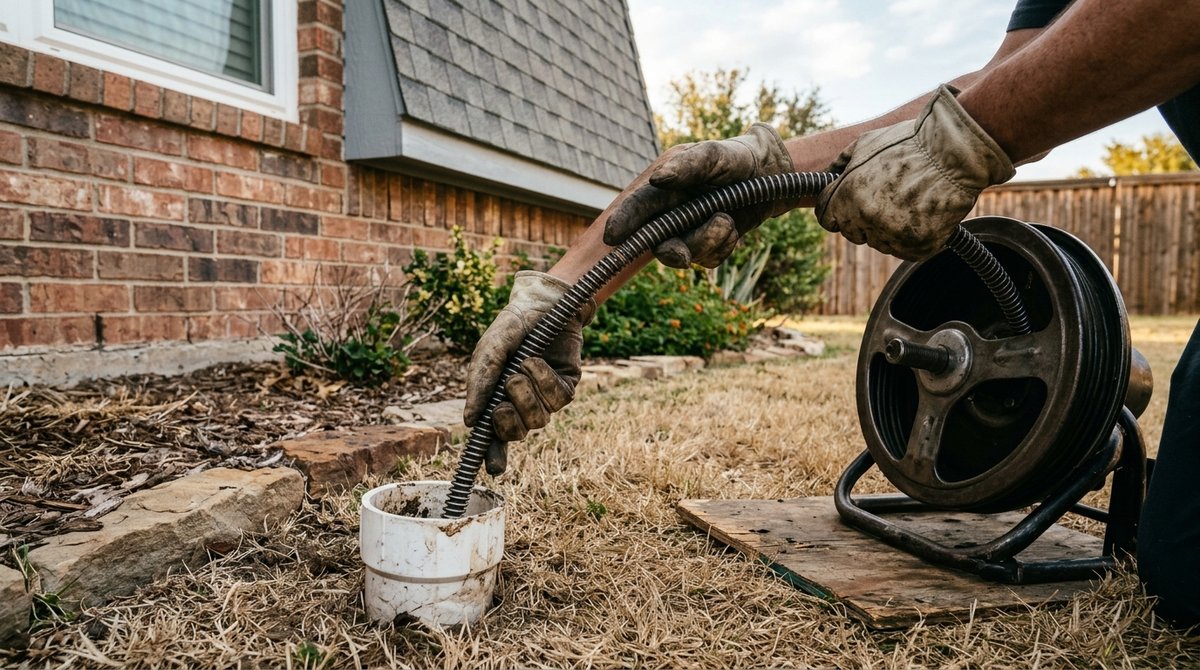
A drain snake, which plumbers call a cable or auger, is a steel line that spins as it feeds into the pipe. The cutting head bores through the clog and pulls some of it back. Water flows again, but whatever was stuck to the sides of the pipe is mostly still there.
Hydro jetting sends water at high pressure through a hose with a nozzle that sprays backward and to the sides. The jets pull the hose down the line and scour the inside of the pipe all the way around. Grease, sludge, scale and root growth wash down to the main.
| Snaking (cabling) | Hydro jetting | |
|---|---|---|
| How it works | Spinning steel cable bores through the clog | High-pressure water scrubs the full pipe wall |
| Best for | A single clog: hair, wipes, a food plug, a toy | Grease, sludge, scale, roots and repeat clogs |
| What it leaves behind | Buildup on the pipe walls | A clean pipe wall |
| Relative cost | Lower | Higher |
| Pipe condition needed | Works on most pipe, including fragile pipe | Pipe must be solid, with no breaks or collapse |
| How long it lasts | Until the buildup catches the next clog | Longer, as long as the cause is dealt with |
The short version: a snake treats the clog, and jetting treats the pipe.
When Snaking Is All Your Drain Needs
A cable is the right first tool more often than people expect. If one fixture is slow or stopped and it has not happened before, snaking usually solves it in one visit.
Good signs a cable will do the job:
- One drain is clogged, and the rest of the house drains fine.
- It is the first clog in that drain in a long time.
- Something got in that shouldn't have, like wipes or a kid's toy, or hair in a tub line.
- The pipe is old or questionable, and you need flow back without stressing it.
Our drain cleaning service starts here. Most clogs sit in the trap or the first few feet of pipe past the fixture, and a cable clears them. If I can fix your drain with a cable, that is what I will tell you. I would rather lose a sale than push a bigger job you don't need.
When Hydro Jetting Is Worth It
Jetting earns its cost when a cable keeps buying you a few weeks and then the drain slows again. That pattern means buildup still coats the pipe, and the next bit of food or paper catches on it.
These are the jobs where hydro jetting service usually pays off:
- Grease in the kitchen line. Cooking fat goes down warm and hardens on the pipe wall. A cable pokes through it and the line stays narrow. Jetting washes it off. Grease is a big problem for sewers in general: NC State University engineers report that the EPA estimates 40 percent of sanitary sewer overflows are caused by hard deposits of fat, oil and grease.
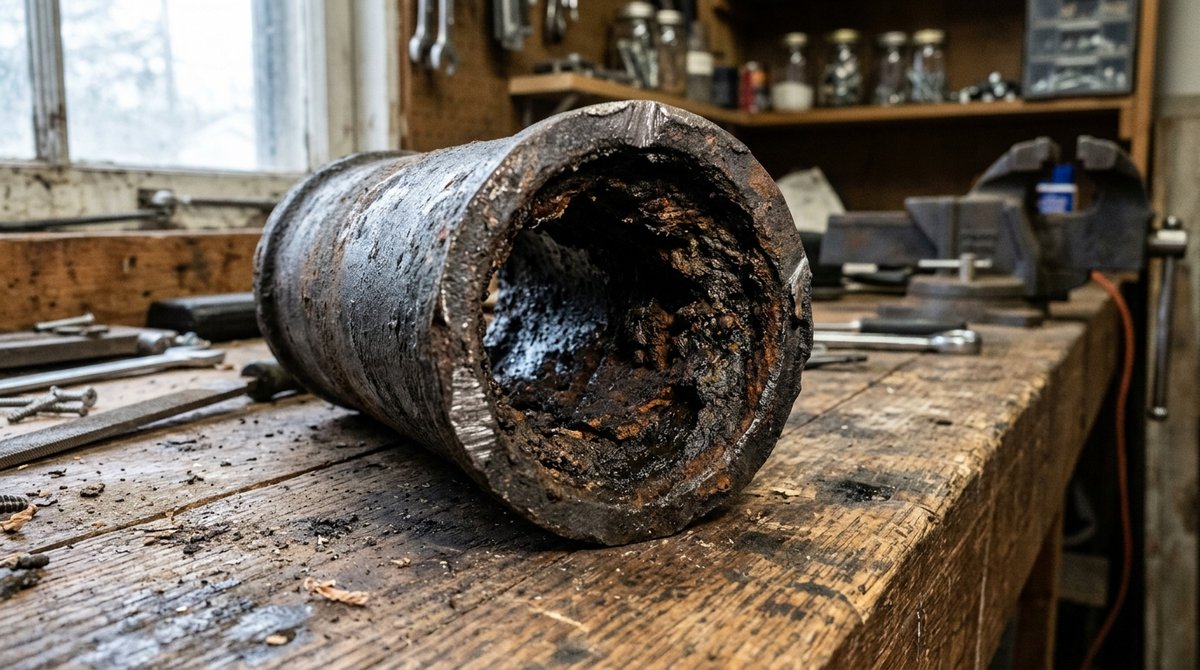
- Scale and rust in older drains. Many homes in Benbrook and older parts of Fort Worth were built in the 1950s and 60s with cast iron drains. Over decades, rust and scale build up inside and grab grease. Hard North Texas water adds to it. Jetting can clean that pipe out, but only when the walls are still sound.
- Roots in the main line. In long droughts, roots go looking for water, and a small gap at an old joint draws them in. Expansive clay soil shrinks and swells with the weather and opens those joints a little more each year. Jetting cuts the roots back and flushes them out.
- Recurring clogs. If the same drain backs up every month or two, a cable alone is unlikely to change that.
- A main line that backs up under heavy use. Laundry day or a full house shows up a line that is only partly open.
One honest note on roots: jetting cuts them back, but they grow back through the same gap. If roots keep returning, repairing that section of pipe is the lasting fix, and sewer line repair is the conversation to have.
When Hydro Jetting Is Not Safe for Your Pipes
High-pressure water is hard on pipe that is already failing. Jetting the wrong line can turn a slow drain into a broken one, which is why the pipe gets checked first every time.
I will not jet a line, or will hold off until it is repaired, in these cases:
- Fragile old cast iron. Cast iron that has rusted thin, flaked away along the bottom or cracked lengthwise can give way under pressure. Sound cast iron handles jetting fine when the pressure is set right. Badly worn cast iron does not.
- A broken or separated pipe. Water forced into a break washes soil out from around the pipe. Under a slab or in clay soil, that makes the problem bigger.
- A collapsed or crushed line. If the pipe has caved in, there is no open path for the hose. Cleaning won't help. The section needs to be replaced.
- Heavy sags or offset joints. These hold waste no matter how clean the pipe is, so repair is the real answer.
I look at the age and material of your pipes, how the drain has behaved, and what comes back on the cable. Rust flakes, pipe fragments or soil are warning signs. If the line is too far gone, I'll say so plainly and walk you through the repair options, including cast iron pipe replacement when the old drains have reached the end of their life.
If you have cast iron and want to make it last, our post on how to keep old cast iron drain lines from failing covers the habits and maintenance that help.
What Changes the Cost of Each Method
We don't publish prices, because every line is different and I put the price on the table after seeing the job. Jetting costs more than a cable job, so I only suggest it when a cable won't hold. These are the things that move the price either way:
| Cost factor | Why it matters |
|---|---|
| Method | Jetting uses bigger equipment and takes longer than a cable |
| Length of the line | A short kitchen branch takes less time than a main line to the street |
| What is in the pipe | Grease clears faster than heavy roots |
| Access point | An outside cleanout is quicker than pulling a toilet to reach the line |
| Pipe condition | A broken pipe needs repair first, which changes the whole plan |
If you are calling about the same drain several times a year, one proper cleaning often costs less in the long run than repeat cable visits.
Financing through Hearth is available for bigger drain and sewer work.
What to Expect on a Drain Visit
When you call, a real person answers. Here is how the visit goes:
- Check the pipe first. I ask how the drain has been acting and look at the age, material and condition of the line.
- Explain the plan and the price. You hear whether a cable or jetting fits your drain, why, and what it costs before work starts. No pressure either way.
- Open a path. If the line is fully blocked, I clear a path with a cable first so the water has somewhere to go.
- Jet the line, if that is the plan. The nozzle runs out and back, scrubbing the walls at a pressure matched to your pipe.
- Flush and test. I run water to confirm full flow and tell you what came out and what to watch for. I often share photos or video so you can see what was in your line.
A kitchen or branch line usually takes a couple of hours. A main sewer line takes about a half day, more if the roots are heavy. If the line needs repair first, the cleaning happens after the repair. Any repair that needs a permit is permitted and inspected through your city where required, so check with your city or ask us to handle it.
FAQ
Is hydro jetting better than snaking?
Not always. A snake is faster and costs less for a simple clog. Jetting is better when grease, sludge, scale or roots coat the pipe and keep causing clogs. The right choice depends on the clog and the condition of the pipe.
Can hydro jetting damage old pipes?
It can if the pipe is already cracked, badly rusted, separated or collapsed. Sound cast iron and plastic lines handle jetting well when the pressure is set right. That is why the pipe gets checked before any jetting starts.
How often does a drain need to be jetted?
Most homes never need it on a schedule. It makes sense when the same drain clogs again and again or roots keep coming back. Afterward, I'll tell you what I found and whether it is worth checking again later. There is no plan to sign up for.
Need a Plumber in Benbrook? TD Plumbing Solutions Is Ready to Help
If your drain keeps clogging and you are not sure whether it needs a cable or a full cleaning, call us. I'll check the pipe, tell you straight which one will hold, and put the price on the table before I start. Learn more about our hydro jetting service, see the homes we serve in Benbrook and Greater Fort Worth, or contact us to book a visit.