Adding a gas line for a stove, dryer, grill or tankless water heater means running a new branch of pipe from your existing gas supply to the appliance, sized for the gas it burns and ending in its own shutoff valve. In Benbrook, the job is done by a licensed plumber, permitted and inspected through the city where required, and pressure tested before any burner is lit.
I'm Terrill Dobbs, the master plumber on the TD Plumbing Solutions license, and I'm the one who shows up to do this work. Here is how a new gas line comes together.
Which Appliances Need a New Gas Line
Most homeowners call about a new gas line for one of five reasons.
- A gas range or cooktop. Swapping an electric range for gas is the most common request. The range needs a branch that reaches the back of the cabinet opening, with a shutoff you can reach by pulling the range out.
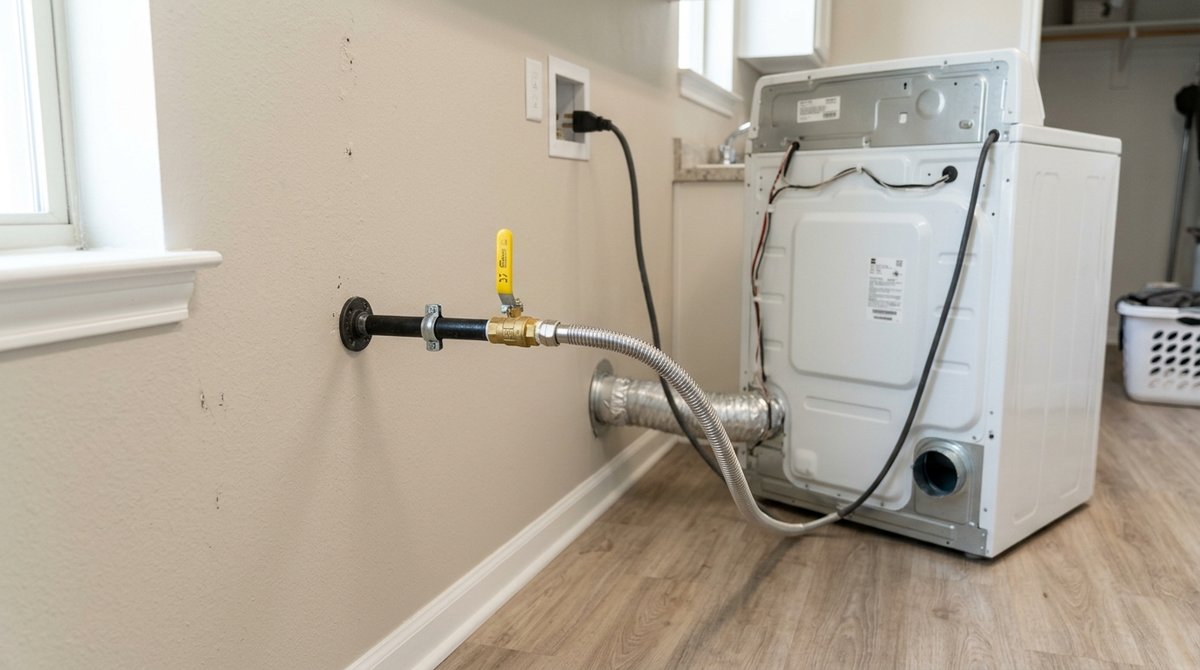
- A gas dryer. Laundry rooms often have a capped gas stub from the original build, but it may be in the wrong spot or too small. Sometimes there is no stub at all.
- An outdoor grill, fire pit or patio heater. These need a line that leaves the house, runs across or under the yard, and comes up where you want to cook or sit.
- A tankless water heater. Many Benbrook homes have a gas tank water heater in the attic. A tankless unit can burn far more gas at once than the tank it replaces, so the existing line may not keep up.
- A remodel. Moving a range a few feet to a new island means rerouting the pipe. It is far easier to plan before new cabinets and flooring go in.
If you are planning any of these, our gas line installation service starts with a look at what your current system can carry.
Sizing the Line for Everything It Feeds
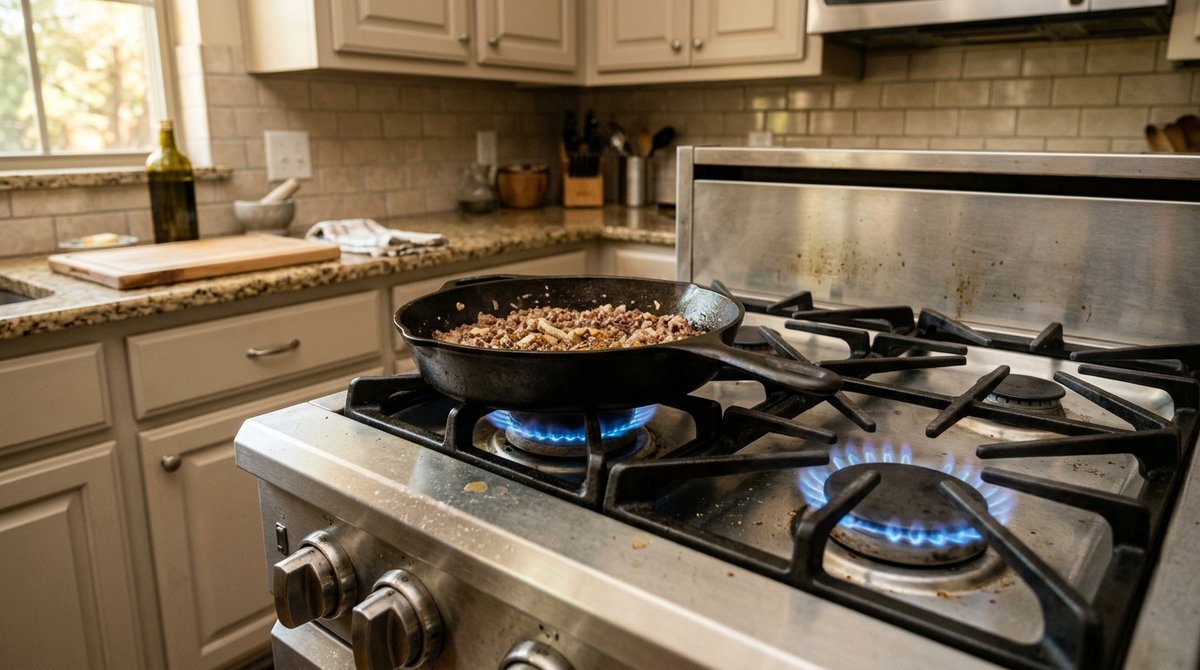
Sizing is the step that separates a gas line that works from one that causes trouble later. Every gas appliance has a rating on its data plate showing how much gas it burns at full fire. The pipe has to deliver the total of everything that might run at the same time, over the full length of the run, without the pressure dropping too far at the far end.
Here is what goes into that calculation:
| What gets checked | Why it matters |
|---|---|
| The new appliance's rating | Sets how much gas the new branch must carry |
| Every existing gas appliance | Furnace, water heater, range and dryer may all run together on a cold morning |
| Length of the run | Gas loses pressure over distance, so longer runs often need larger pipe |
| The meter and main line | The new load has to fit within what the meter and the pipe leaving it can supply |
| Fittings and bends | Each elbow and tee adds resistance along the way |
An undersized line usually shows itself when two appliances run together. The range burners look weak while the water heater fires, or a tankless heater gives uneven hot water during a shower. Tankless conversions are where we see this most, because the new heater asks for a lot of gas in a short burst. If that is your project, our tankless water heater service covers the heater side, and the gas line gets checked as part of the same plan.
Sometimes the answer is a simple branch off a nearby pipe. Sometimes the main trunk line needs upsizing first. You will know which before work starts.
Permits, Inspection and Pressure Testing in Benbrook
New gas piping is permitted and inspected through the city in many places, and Benbrook and the other Greater Fort Worth cities each set their own rules. Check with your city if you want the details, but where a permit is required, we pull it and schedule the inspection as part of the job. That cost is included in the price you see up front.
The pressure test is the part that matters most for safety. Once the new pipe is in, and before it is connected to live gas or any appliance, the whole line is sealed and put under test pressure. It has to hold steady with no drop. Then every joint is checked again once gas is introduced. Where the city inspects, the inspector may want to see the test before the line is put into service.
What we look at on every new line:
- Pipe material suited to each section. Black steel and coated flexible gas tubing are common inside the home, with pipe rated for burial outside.
- A shutoff valve at each appliance, where you can reach it without tools.
- Proper support and protection where the pipe passes through framing or rises out of the ground.
- A held pressure test before anything is lit.
Why Gas Piping Needs a Licensed Plumber in Texas
Texas law treats gas piping as plumbing. The state plumbing license law defines plumbing to include piping used to "supply, distribute, circulate, or recirculate water, other liquid, or gas," and it says a person may not engage in plumbing without the proper license and licensed supervision (Texas State Board of Plumbing Examiners, Plumbing License Law). That same law has a narrow exemption for owners working on their own homestead, but cities can still require a permit and inspection for gas work.
Even where it is allowed, I would not recommend running your own gas line. A slightly loose joint or a line one size too small will not show a problem on day one. When you hire someone, ask for their Texas license number. Mine is RMP 45333, and it is the same person on the license who sizes and tests your line.
If you ever smell gas, that is a different situation from a planned install. Leave the house right away, do not flip switches, unplug anything or light anything, and call your gas utility or 911 once you are outside. Our gas line repair service handles leaks once the utility has made the area safe, and our post on that rotten egg smell near your stove explains the common causes.
What to Expect on Install Day
A single appliance branch often takes a few hours to a day. An outdoor run to a grill or fire pit is usually about a day, since buried pipe takes longer. City inspection timing varies by city.
Here is how the day usually goes:
- Walkthrough first. I confirm where the appliance will sit, trace the route from the existing pipe, and go over the plan and price with you before work starts.
- Gas off for part of the job. The gas is shut off while the new branch is tied into your system. You will know when that is coming, so plan meals and showers around it.
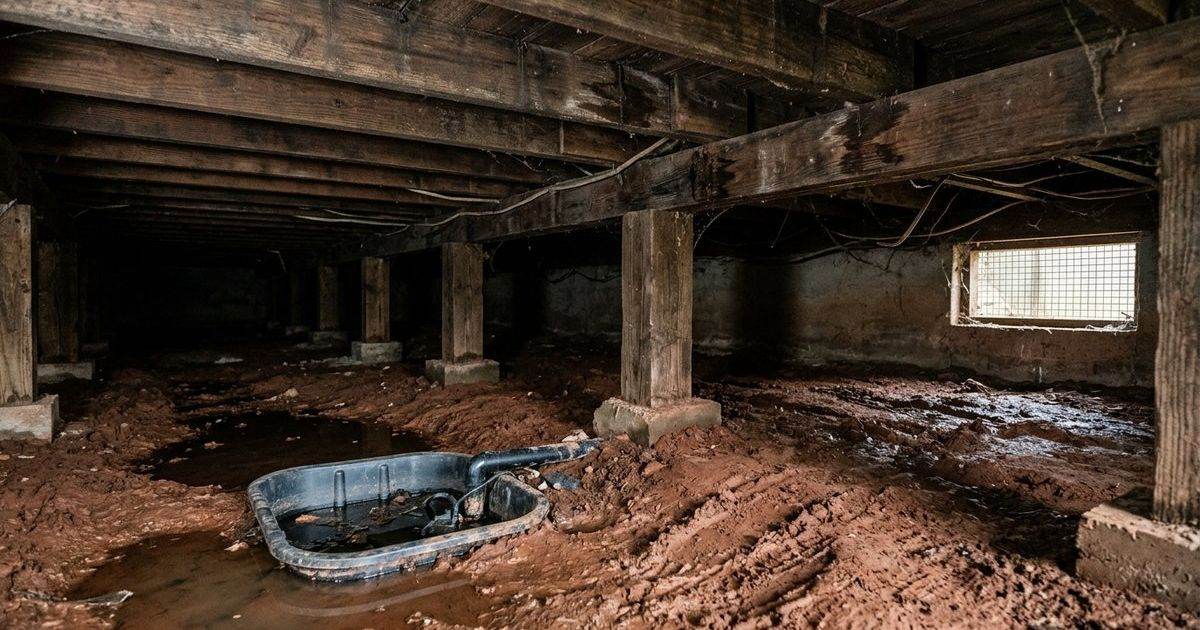
- Access through the attic or crawlspace. In older Benbrook homes on pier-and-beam, the crawlspace often gives a clean path under the floor. Slab homes usually route through the attic and down a wall, which can mean a small opening in drywall.
- Outdoor runs. Buried lines have to live in North Texas clay, which swells when wet and shrinks in drought. The pipe is protected where it comes out of the ground, and other buried utilities are marked before any digging starts.
- Test, then light. The line is pressure tested, gas is restored, and any pilot lights that went out are relit. We send photos of the finished work, so you can see what is behind the wall.
My son often works alongside me, and either way you are dealing with the master plumber whose name is on the work.
What Drives the Price of a New Gas Line
Every gas line is priced on site. The main factors are the distance from the gas supply, the line size (larger for tankless heaters or several new appliances), whether the run is indoors or buried outside, access through attics, crawlspaces or finished walls, and the permit and inspection where the city requires them.
You get one clear price before work starts, with no sales pressure. For larger projects like an outdoor kitchen or a tankless conversion, financing through Hearth is available. Our workmanship is backed by a warranty, and we pursue the manufacturer warranty on the parts we install.
FAQ
Can I add a gas line for a stove if my house is all electric?
Only if gas service reaches the house. If there is a gas meter, a new branch can usually be run to the kitchen. If there is no gas service at all, the gas utility has to set a meter first, and that is a conversation with them before a plumber can help.
How long does it take to add a gas line?
A single branch to a range or dryer often takes a few hours to a day. Outdoor runs to a grill or fire pit usually take about a day. Add time for a city inspection where one is required.
Will I need a bigger gas line for a tankless water heater?
Often, yes. A tankless heater burns much more gas at once than a tank heater. If the line is too small, you get weak or uneven hot water. The line gets checked and sized before the new heater goes in.
Do you install gas lines outside Benbrook?
Yes. We install gas lines across Benbrook and Greater Fort Worth, including Benbrook, Fort Worth, Aledo, Crowley and Weatherford.
Planning a New Gas Appliance? Talk to the Plumber Who Does the Work
A new gas line is a small project when it is sized, permitted and tested properly from the start. If you are adding a gas range, dryer, grill, fire pit, patio heater or tankless water heater, book gas line installation or contact us and I will tell you what your line needs and what it will cost before any work begins.